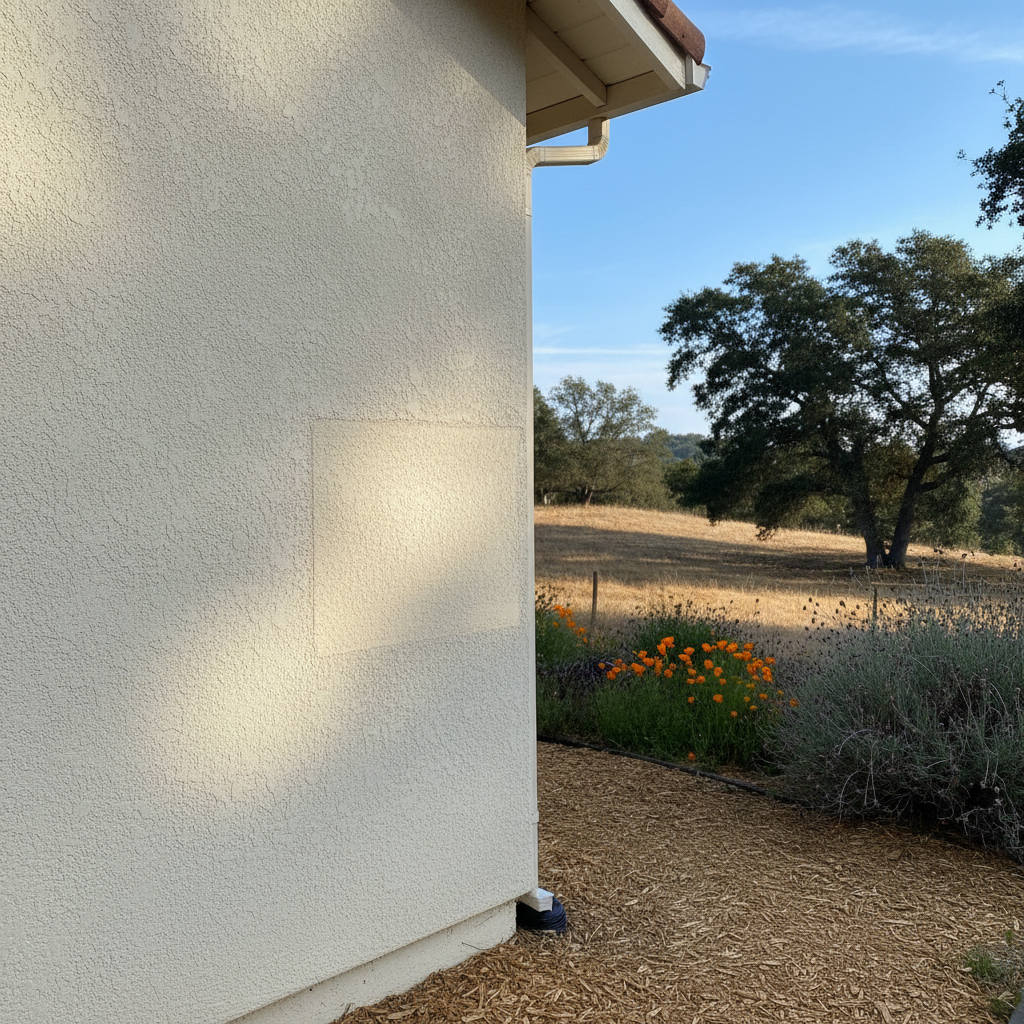
What's the difference between stucco repair and patching?
This is a common one, and honestly, folks use these terms interchangeably a lot, even us pros. But there's a subtle difference in how I think about it. Patching, to me, is usually a smaller, more localized fix. Maybe you've got a crack, a little hole from taking down a satellite dish, or a chunk knocked out near the corner of your garage. It's about filling that specific void and blending it in. Repair, on the other hand, often means a bit more. It might involve cutting out a larger section of damaged stucco, checking the substrate underneath for water damage or rot, making those structural fixes, and then applying new stucco layers. Think of it this way: patching is like putting a band-aid on a cut; repair is like getting stitches and making sure the wound heals right. Both are important, but one usually means a deeper dive into the problem, you know?
How long does a typical stucco repair last?
That's a 'how long is a piece of string?' kind of question, but I get why you're asking. If the repair is done right—meaning we actually addressed the underlying issue, like a leaky window or poor drainage—and we used quality materials, it should last a very, very long time. We're talking decades, often as long as the original stucco itself. The biggest reason a repair fails isn't usually the stucco itself, but what's happening behind it. If water is still getting in, or the foundation is shifting, that repair will eventually fail again. That's why a good contractor, like us at Santa Rosa Stucco & Plastering, doesn't just patch the surface; we investigate the cause. If someone just slaps some stucco over rotten sheathing, it's not going to hold up. But a proper repair, where the structure is sound and the new stucco is properly bonded and sealed? That's built to last.
Can I just paint over stucco cracks instead of repairing them?
You can, but you really shouldn't. Painting over cracks is like putting makeup on a wound – it might look better for a little while, but it doesn't fix the underlying problem. And it certainly won't stop water from getting in. Small hairline cracks might get sealed by a thick elastomeric paint, but even then, it's a temporary solution. Larger cracks, especially those wider than a credit card, are basically open invitations for moisture. Once water gets behind your stucco, you're looking at potential wood rot, mold, and much more expensive repairs down the line. Paint isn't a waterproofing membrane in the way stucco is designed to be. Always repair the crack first, then paint if you want a fresh look. It's an investment in your home's integrity, not just its curb appeal.
What causes stucco to crack or chip in the first place?
There are a bunch of reasons, and often it's a combination. Here are the big ones I see around Santa Rosa:
- Settling and Movement: Our soils, especially the clay-rich ones in areas like Bennett Valley, can expand and contract with moisture changes. This movement puts stress on your home's foundation and walls, leading to cracks.
- Water Intrusion: This is probably the number one culprit. Leaky gutters, improperly flashed windows or doors, or even just sprinkler systems hitting the wall can let water get behind the stucco. Once water's in, it can freeze and expand (though that's less common here), or it can cause the lath and substrate to swell and rot, pushing the stucco out.
- Poor Installation: Sometimes, it's just not done right. Not enough cement in the mix, improper curing, or applying stucco too thin can all lead to premature cracking.
- Impact Damage: A baseball, a car backing into the house, or even just heavy furniture being moved can cause chips and holes.
- Age and Wear: Over many decades, even well-installed stucco can start to show its age, especially if it's been exposed to harsh elements without much maintenance.
How do you match the texture and color of existing stucco?
This is where the 'art' comes into stucco repair, and it's something we pride ourselves on. Matching texture is about skill and experience. We use the same tools and techniques that were likely used originally – floats, trowels, brushes, sponges – to replicate the existing finish. Whether it's a smooth Santa Barbara finish, a rougher dash, or a medium sand float, we've got to get it right. Color matching is a bit trickier, especially with older stucco that's faded over time. We start with a base color that's as close as possible, often custom-mixing pigments on-site. Then, we apply test patches and let them dry completely, because stucco color changes significantly from wet to dry. We'll usually do a few rounds of this until we get a blend that's virtually unnoticeable. It takes patience and a good eye, but a seamless repair is always the goal.
Should I repair stucco damage myself or hire a professional?
Look, I'm a professional, so you know what I'm going to say, but I'll be honest about it. For very small, superficial hairline cracks or tiny chips, if you're handy and have the right materials, you *might* be able to do a decent patch job yourself. But here's the kicker: most stucco damage isn't just superficial. It's often a symptom of a deeper problem, like water intrusion or structural movement. If you don't address that underlying cause, your DIY patch is just going to fail again, and probably sooner rather than later. Plus, getting the texture and color to match, especially on anything larger than a golf ball, is incredibly difficult for an amateur. You'll end up with a noticeable patch that sticks out like a sore thumb, and you might have to pay a pro to fix your fix anyway. For anything beyond the most minor cosmetic blemishes, I always recommend calling in someone who knows what they're doing. It saves you time, frustration, and often money in the long run by ensuring the job's done right the first time.