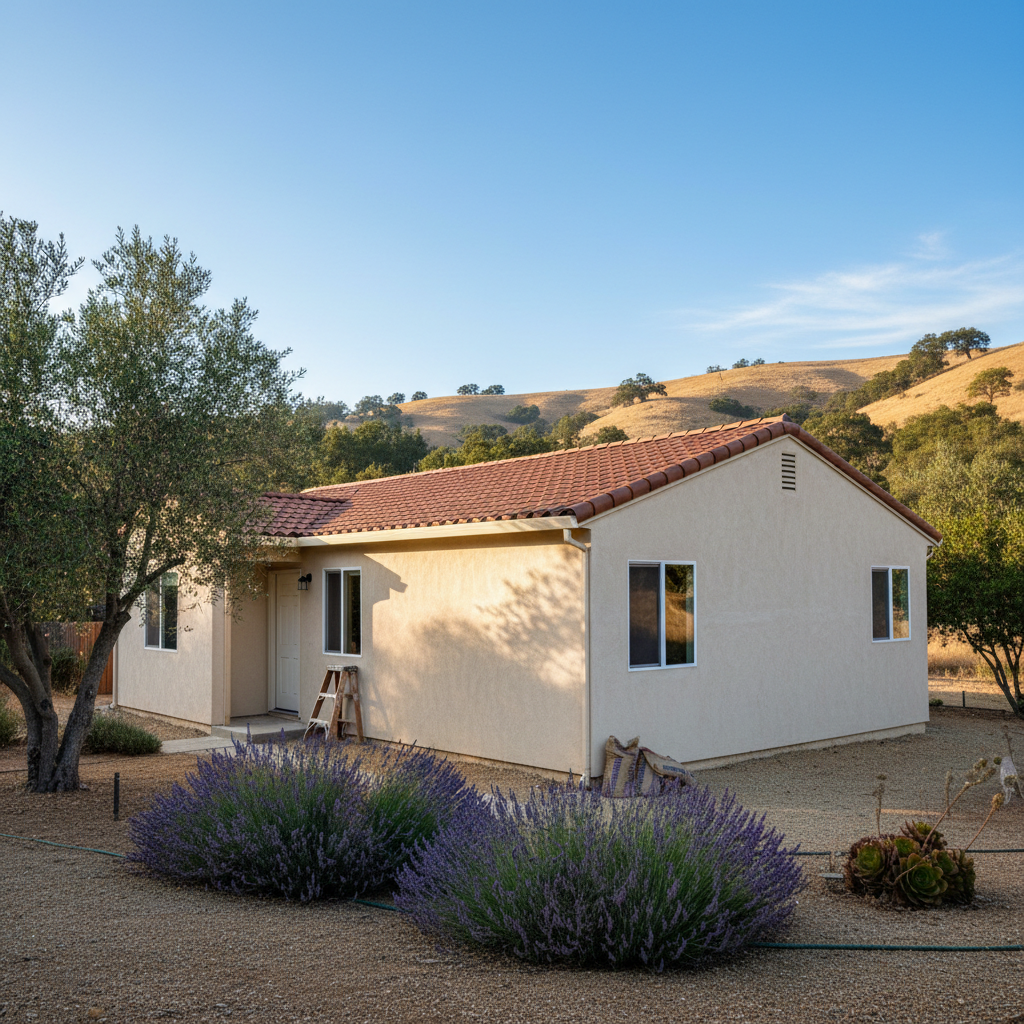
You're thinking about getting your stucco inspected, maybe you've noticed some cracks, or you're buying a new place and want to be sure. Good call. A proper stucco inspection isn't just about looking at the surface; it's about understanding what's going on underneath, especially here in Santa Rosa where we get our fair share of wet winters and those hot, dry summers.
So, what's it going to cost you? Let's get right to it.
Typical Stucco Inspection Cost Ranges in Santa Rosa
For most residential homes in Santa Rosa, you're looking at a range of about $400 to $800 for a thorough stucco inspection. Now, that's a pretty wide range, I know, but there are good reasons for it. Smaller, simpler homes, say a 1,200 sq ft rancher in the Rincon Valley, might be on the lower end. A larger, more complex two-story home with lots of architectural details, maybe up in Fountaingrove, will definitely be towards the higher end, or even a bit more.
Keep in mind, this isn't just someone walking around your house for an hour. A good inspection takes time and specialized knowledge.
What Affects the Price of a Stucco Inspection?
A few key things really drive the cost up or down:
- Size and Complexity of the Home: This is probably the biggest factor. More square footage means more stucco to inspect. Homes with multiple levels, lots of windows, doors, chimneys, or intricate architectural details (like corbels or pop-outs) take longer and are harder to access.
- Accessibility: If your home has areas that are tough to get to – maybe a steep roofline, dense landscaping right up against the house, or limited access to certain walls – it adds time and sometimes requires specialized equipment like taller ladders or even scaffolding.
- Type of Stucco System: Believe it or not, some stucco systems are more complex to inspect than others. Synthetic stucco (EIFS), for example, often requires more specialized tools and expertise to properly assess moisture intrusion compared to traditional three-coat stucco.
- Scope of the Inspection: Are you just looking for visible cracks, or do you need a full, intrusive moisture inspection? A basic visual inspection will be cheaper, but it won't tell you if there's hidden water damage. An intrusive inspection, which involves drilling small holes and using moisture meters, is more thorough and thus more expensive.
- Inspector's Experience and Equipment: A highly experienced inspector with advanced moisture detection equipment (like thermal cameras or specialized probes) and a solid reputation will naturally charge more than someone just starting out. You're paying for their expertise and the quality of their findings.
What's Included in a Good Stucco Inspection Quote?
When you get a quote from Santa Rosa Stucco & Plastering, or any reputable company, here's what you should expect to be covered:
- Visual Examination: A comprehensive look at all stucco surfaces for cracks, delamination, efflorescence, staining, and any other visible defects. This includes checking around windows, doors, rooflines, and penetrations.
- Moisture Readings: Non-invasive moisture readings using a meter that can detect elevated moisture behind the stucco without drilling. This gives us a good idea of potential problem areas.
- Intrusive Testing (if requested/needed): If non-invasive readings show high moisture, or if you specifically ask for it, we'll perform intrusive testing. This means drilling small, discrete holes (usually 3/16" or 1/4") into the stucco at specific points to get accurate moisture readings from the sheathing underneath. These holes are then sealed up properly.
- Flashing Inspection: A close look at all flashing details around windows, doors, decks, and roof-to-wall transitions. Poor flashing is a common source of water intrusion.
- Drainage System Assessment: Checking weep screeds, kick-out flashings, and overall site drainage that affects the stucco.
- Detailed Report: You'll get a written report, usually with photos, outlining all findings, identifying problem areas, and offering recommendations for repairs or further investigation. This report is crucial for understanding the condition of your stucco.
- Consultation: A chance to discuss the findings with the inspector, ask questions, and understand the implications of the report.
How to Avoid Overpaying for a Stucco Inspection
First off, don't just go for the cheapest guy. You're trying to protect a major investment, and cutting corners here can cost you a lot more down the road in repairs. That said, you can be smart about it:
- Get Multiple Quotes: Always get at least two or three quotes from different, reputable inspectors. This helps you compare services and pricing.
- Ask for a Detailed Scope: Make sure each quote clearly outlines what's included. If one quote is significantly lower, it might be because they're offering a less thorough inspection.
- Check Credentials and References: Ask about their experience, specific training in stucco systems, and if they're insured. A good inspector will have no problem providing this.
- Be Present (if you can): If you're able to be there during the inspection, you can learn a lot and ask questions on the spot. It also shows the inspector you're serious about the process.
- Understand the Report: Don't just skim it. Read through the entire report and make sure you understand every point. If something's unclear, ask for clarification.
A good stucco inspection is an investment in your home's longevity and your peace of mind. Here at Santa Rosa Stucco & Plastering, we see firsthand the damage that can happen when issues go undetected. Getting it checked out properly now can save you from much bigger headaches and expenses later.