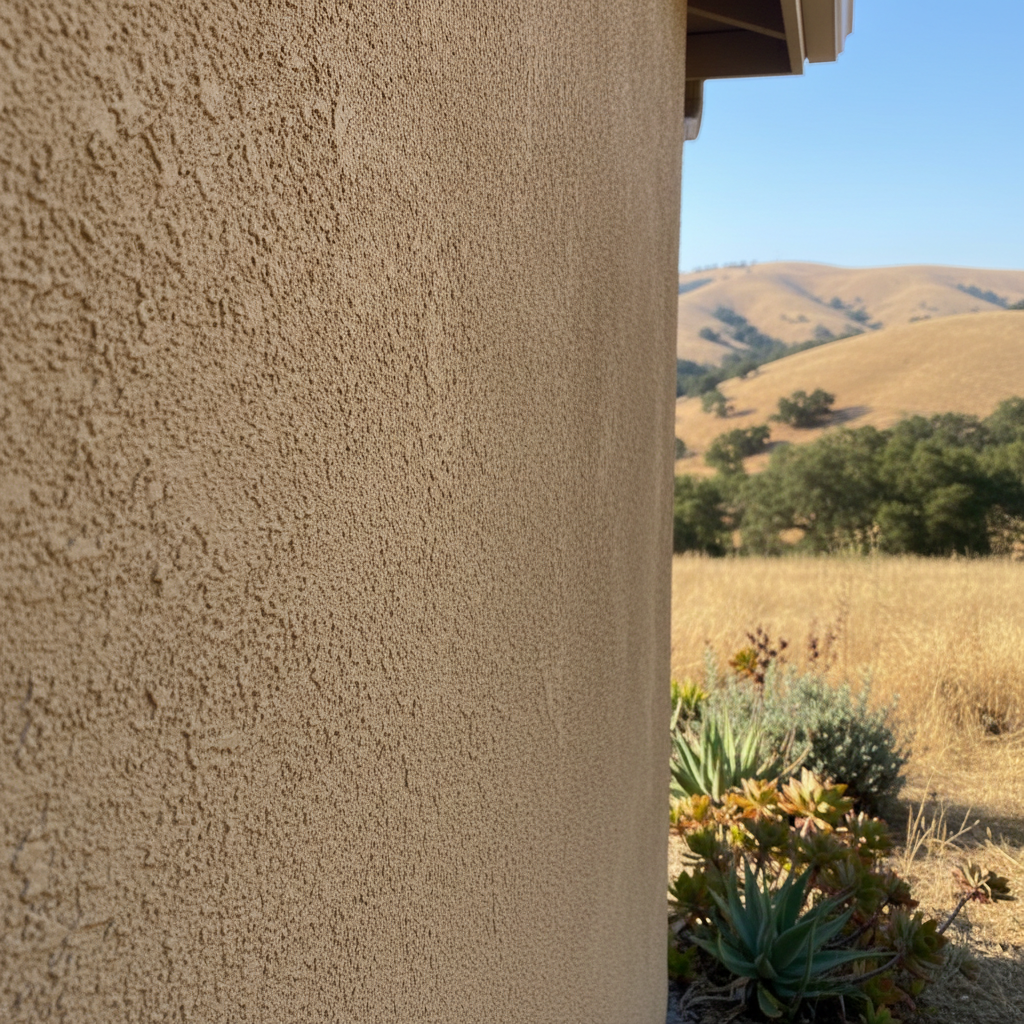
Alright, let's talk stucco redashing. I get a lot of calls from folks in Santa Rosa, especially after a few hot summers and wet winters, asking about getting their stucco looking good again. It's a smart move, but there's a lot of confusion out there about what redashing actually is, what it fixes, and what you should expect. As a local pro, I've seen it all, and I'm here to clear things up. Here are the most common questions I get about stucco redashing.
What exactly is stucco redashing, and how is it different from a full re-stucco or repair?
Okay, this is probably the most important question to start with because people mix these terms up all the time. Redashing, or sometimes called resurfacing, means we're applying a new finish coat right over your home's existing stucco. We're not tearing everything off; we're giving it a fresh, protective skin. Think of it like putting a fresh coat of paint on a wall, but with actual stucco material that adds texture and protection, not just color.
A full re-stucco, on the other hand, is a much bigger job. That's when we remove the old stucco entirely, right down to the lath or sheathing, then rebuild the wall system from scratch with new scratch, brown, and finish coats. You'd do this if your existing stucco has major structural issues, widespread moisture damage, or if the base coats are failing.
Repairs usually mean fixing smaller, localized damage like cracks, holes, or impact spots. Redashing can cover minor imperfections and old patch jobs, giving you a uniform look, but it won't fix deep structural problems.
When should I consider redashing my stucco?
You should think about redashing when your stucco is showing its age but is still structurally sound. We're talking about things like faded color, minor hairline cracks, surface stains, or just general wear and tear that makes your house look a bit tired. Our Santa Rosa weather, with those hot, dry summers and wet winters, can really take a toll on stucco over time, causing fading and small surface cracks. A fresh redash brightens up the exterior and adds another layer of defense against moisture and UV rays.
If you're seeing widespread cracking, bulging, or signs of significant water intrusion like persistent damp spots or mold, then redashing isn't enough. Those are signs you might need a more in-depth repair or even a full re-stucco to address underlying issues.
Can you redash over painted stucco?
This is a common question, and the short answer is: yes, but it needs proper preparation. You can't just slap new stucco over old paint and expect it to stick. The biggest problem with painting stucco is that it can trap moisture, which can lead to peeling and cracking. If your stucco is painted, we'll likely need to sandblast or otherwise prepare the surface to ensure the new stucco has a good mechanical bond. We'll also apply a bonding agent to make sure the new material adheres properly to both the old paint and the existing stucco base. It's more work, but it's crucial for a lasting finish.
How long does stucco redashing usually take?
The timeline for redashing depends on a few things: the size of your house, the condition of the existing stucco, and the weather. For an average-sized home, the actual application might take a few days to a week. However, you've got to factor in prep work – cleaning, minor repairs, and letting those repairs cure. Then, after the new finish coat is on, it needs time to cure properly. While it might feel dry to the touch in 24-72 hours, the stucco needs about 30 days before it's ready for painting (if you choose to paint it) and up to 90 days for a full structural cure. So, from start to finish, including curing, you're looking at several weeks for the whole process to be truly complete. Don't rush it; proper curing is key to longevity.
What kind of cracks can redashing fix, and what types need more serious repair?
Redashing is great for surface-level imperfections. It can effectively hide minor hairline cracks and small spiderweb cracks that are purely cosmetic. These are usually less than 1/32 inch wide and don't indicate underlying structural issues. A fresh finish coat will seal these up and give your wall a smooth, uniform appearance.
However, if you've got cracks that are wider than 1/16 or 1/8 inch, or cracks that are actively moving, those need more than just a redash. These larger cracks, especially if they're around windows, doors, or corners, can be signs of structural movement, water intrusion, or issues with the lath underneath. For those, we'd need to do targeted repairs first, which might involve cutting out the damaged section, inspecting the substrate, and rebuilding those layers before considering a redash. In Santa Rosa, with our clay-rich soils in some neighborhoods like Bennett Valley, foundation settling can sometimes lead to larger cracks, and those definitely need a closer look.
Do I need a permit for stucco redashing in Santa Rosa?
For most cosmetic stucco redashing projects, where we're just applying a new finish coat over sound existing stucco, you typically don't need a building permit in Santa Rosa. This is generally considered ordinary maintenance. However, if the work involves significant structural substrate repair, like replacing lath, paper, or sheathing over a large area, or if you're changing the exterior cladding system entirely (say, from stucco to siding), then you absolutely will need a permit. The City of Santa Rosa and Permit Sonoma have clear guidelines. It's always best to check with your contractor, like us at Santa Rosa Stucco & Plastering, because we're familiar with the local regulations and can help determine if a permit is required for your specific project. No surprises, right?
What's the typical cost range for stucco redashing?
Cost is always on people's minds, and it's tough to give an exact number without seeing the job. Redashing is generally a more cost-effective option than a full re-stucco because it doesn't involve tearing everything off. For resurfacing or redashing, you might be looking at a range of $11 – $19 per square foot. This usually includes surface prep, any minor repairs, and the new finish. Factors that influence the cost include the size of your home, the complexity of the architecture (lots of corners or intricate details cost more), the type of finish texture you choose (smooth finishes, like Santa Barbara, are more labor-intensive and cost more than a dash or lace texture), and the condition of your existing stucco. If there's extensive prep work needed, like sandblasting off old paint, that'll add to the price. Always get a detailed estimate that breaks down these costs so you know exactly what you're paying for.
Look, redashing can really revitalize your home's exterior, boost its curb appeal, and add another layer of protection. It's a solid investment when done right. Just make sure you're working with someone who knows their stuff and won't cut corners. If you've got more questions or want to talk about your specific project, give us a call.